
MCP's 2026-07-28 spec drops sessions and the handshake
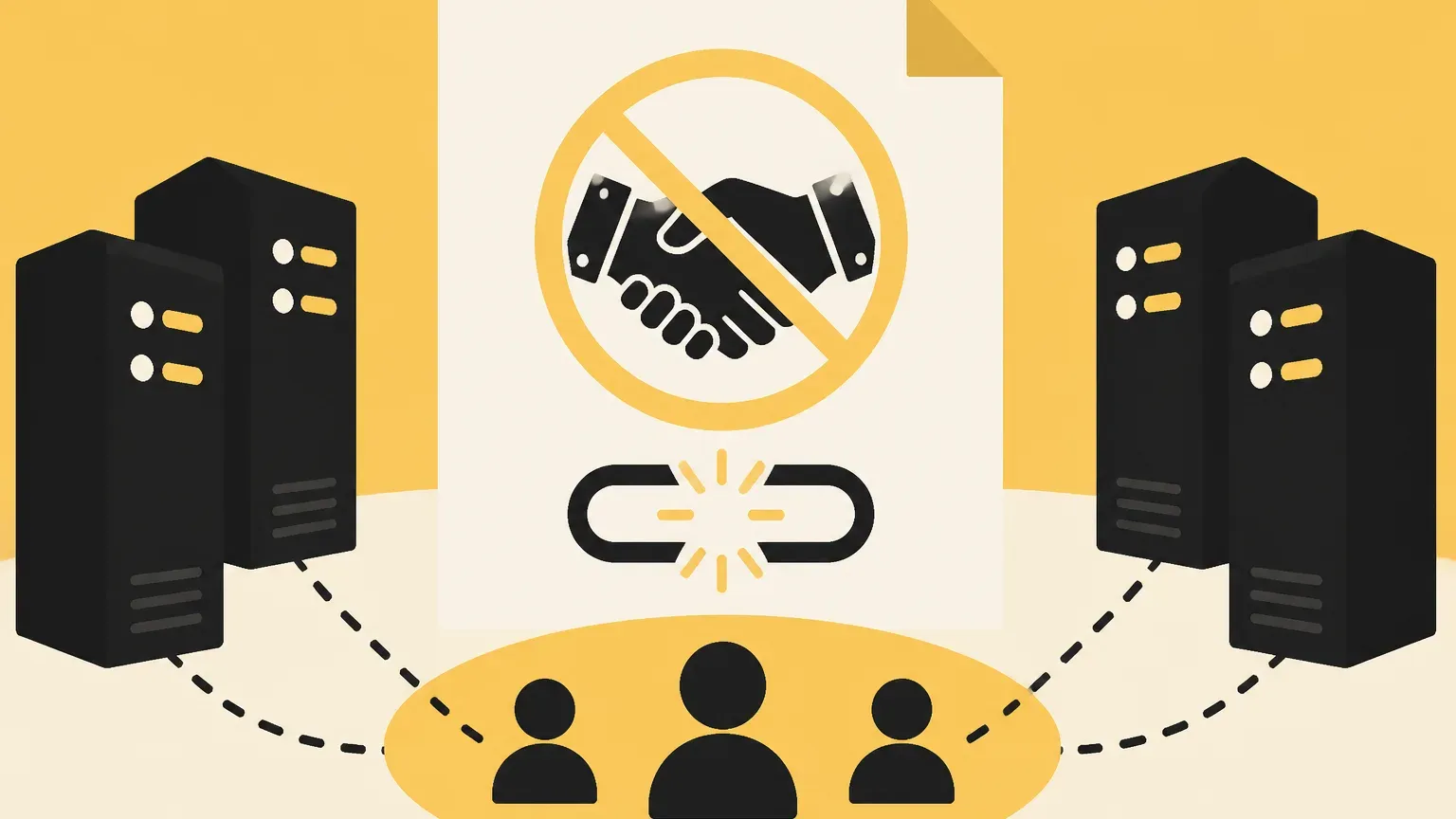
The 2026-07-28 revision of the Model Context Protocol, the biggest change since launch, makes the protocol stateless. It removes protocol-level sessions, including the Mcp-Session-Id header, and the initialize handshake that most servers were built around.
In their place, every request carries its protocol version and client capabilities in its _meta field, and clients should identify themselves on each request. Servers must implement a new server/discover call that advertises their supported versions and capabilities. Servers that need state across calls pass explicit handles as ordinary tool arguments. Streamable HTTP requests now carry Mcp-Method and Mcp-Name headers, so infrastructure can route them without reading the body.
Other changes that affect server authors:
Server-initiated requests such as sampling or elicitation are replaced by a multi round-trip pattern: the server returns an "input required" result, and the client retries with the answers.
The HTTP GET stream is replaced by a subscriptions/listen call for change notifications. SSE resumability is removed, so a broken stream means re-issuing the request.
Deprecations: Roots, Sampling and Logging enter a deprecation window of at least twelve months, along with the old HTTP+SSE transport and OAuth Dynamic Client Registration.
The goal is simplification. Session and connection management move back to infrastructure that already handles it, and remote MCP servers get closer to plain stateless HTTP. For anyone running a remote MCP server, hosting should get simpler, since any instance can serve any request.
It isn't a drop-in change. Servers built on the session model need real work to migrate, and clients and servers on different revisions need a compatibility path. The spec suggests using server/discover as a probe. Check which revision your client and SDKs support before upgrading a server.
Correction, October 23, 2026: an earlier version of this item described the specification as still to be finalized, and didn't say what changed. The 2026-07-28 revision had already been published; this item now describes it and links the changelog.