
Hyperscalers are locking up enterprise hardware supply, squeezing smaller buyers

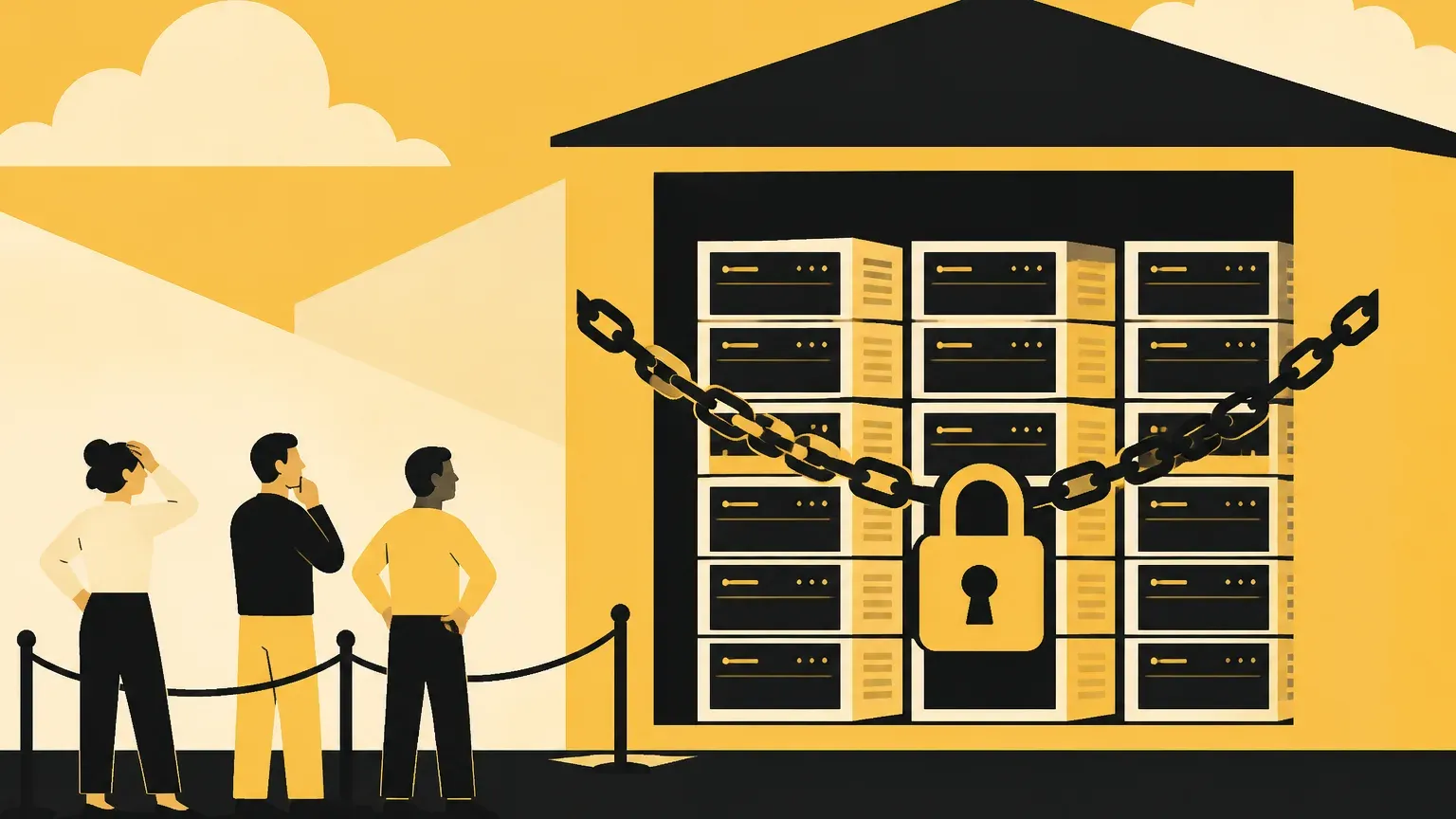
Component makers are prioritizing hyperscale cloud providers over traditional enterprise hardware vendors, as AI demand pushes AWS, Meta, and other large cloud operators to lock up chips, memory, and storage through long-term supplier contracts. Nutanix CEO Rajiv Ramaswami pointed to this shift as a structural change in how hardware gets allocated, not a temporary shortage.
AWS CEO Andy Jassy has said the company's AI capacity is increasingly contracted for at least five-year terms, with a useful server life of five to six years on top of that. That kind of commitment gives hyperscalers first claim on scarce components from suppliers like Micron, SK Hynix, and AMD, ahead of traditional vendors such as Dell, HPE, Lenovo, and Supermicro who serve everyone else.
For a small team weighing self-hosted infrastructure against renting from a cloud provider, this tilts the math further toward renting. Lead times on enterprise-grade hardware were already a planning headache; if component makers keep favoring five-year hyperscaler contracts over spot orders, buying your own gear gets slower and pricier relative to just provisioning capacity from AWS, Google Cloud, or Azure. Watch your own cloud bill for the second-order effect: less competition on the supply side for hyperscalers themselves tends to show up eventually as less pressure on the prices they charge you.